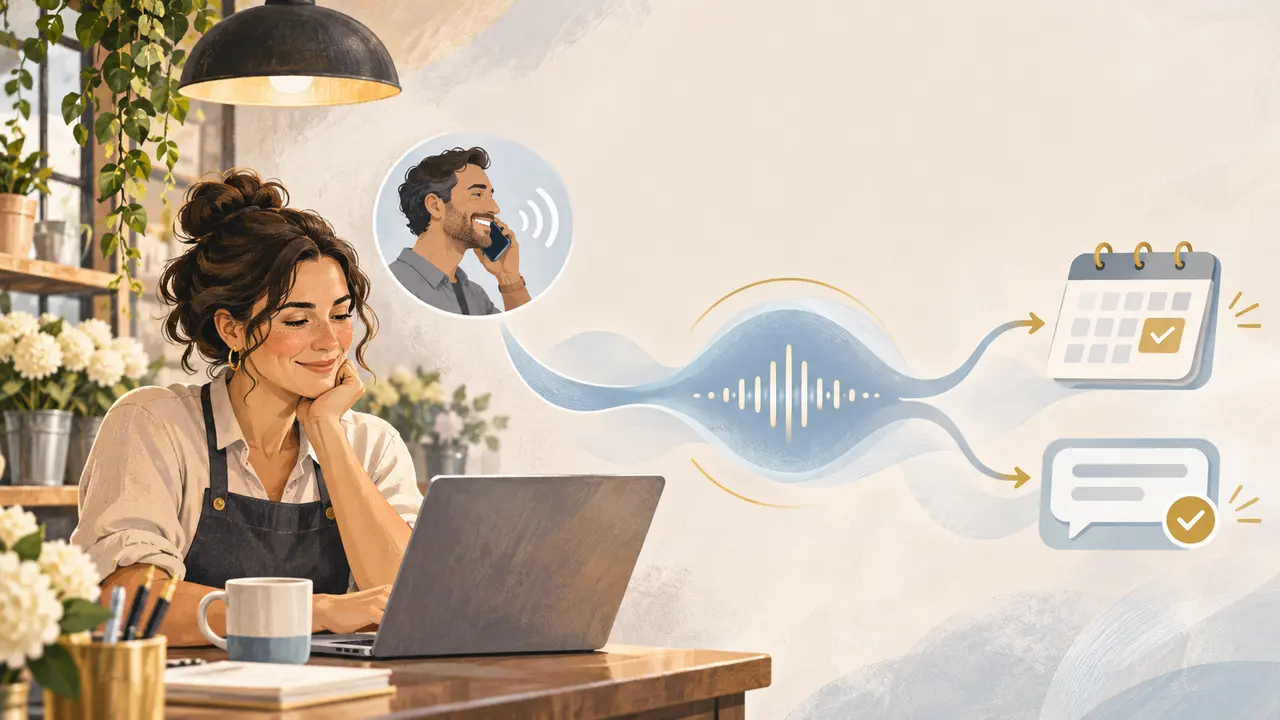
The right communication method depends on the request. Text can be helpful for a short service update. A call is better when the customer needs to discuss options. Email works well when a customer needs a written estimate, details or documents. Treating every situation the same creates unnecessary friction.
Use text for short, expected updates
Text is useful for messages such as “Your requested time is available” or “We received your photo and will review it tomorrow.” Keep it concise, identify the business and avoid turning service messages into unrelated promotions. Follow applicable consent and opt-out requirements.
Call when a decision needs conversation
A call gives customers space to ask questions and lets the business clarify details before committing to a price or schedule. If the customer does not answer, leave an appropriate message and set the next action instead of repeatedly calling.
Use email for details people may revisit
Estimates, preparation instructions, receipts, project summaries and appointment details are often easier to find in email. Make the subject line useful and include one clear next step.
FUGTH Management helps teams keep a record of the conversation regardless of channel. The point is continuity: a customer should not have to repeat their need every time they contact the business.
Ask for and respect the customer’s preference. Good communication is not about reaching someone through every channel; it is about giving a helpful answer through the right one.
FUGTH community
Useful conversations, not noise.
Readers can respond as guests or from a FUGTH account. Every new comment is moderated before public release.
Sign in to save an article or react. Guest comments are welcome with a name.